L-Carnitine & Co. in the race: How to specifically boost the energy metabolism of your racing pigeons
More energy. More stability. More willingness to perform in the racing season.
When racing pigeons go on races, they perform exceptionally well.
Their metabolism works at full speed during continuous flight with up to 10-15 times the resting metabolic rate. While other animal species mainly rely on carbohydrates during exercise, racing pigeons mainly use fat as an energy source. This is precisely where their enormous endurance potential lies - but also a potential bottleneck.
Anyone who understands the power metabolism can Feeding, training and regeneration and thus create the basis for consistent performance throughout the entire racing season.
Why the energy metabolism decides between victory and mediocrity
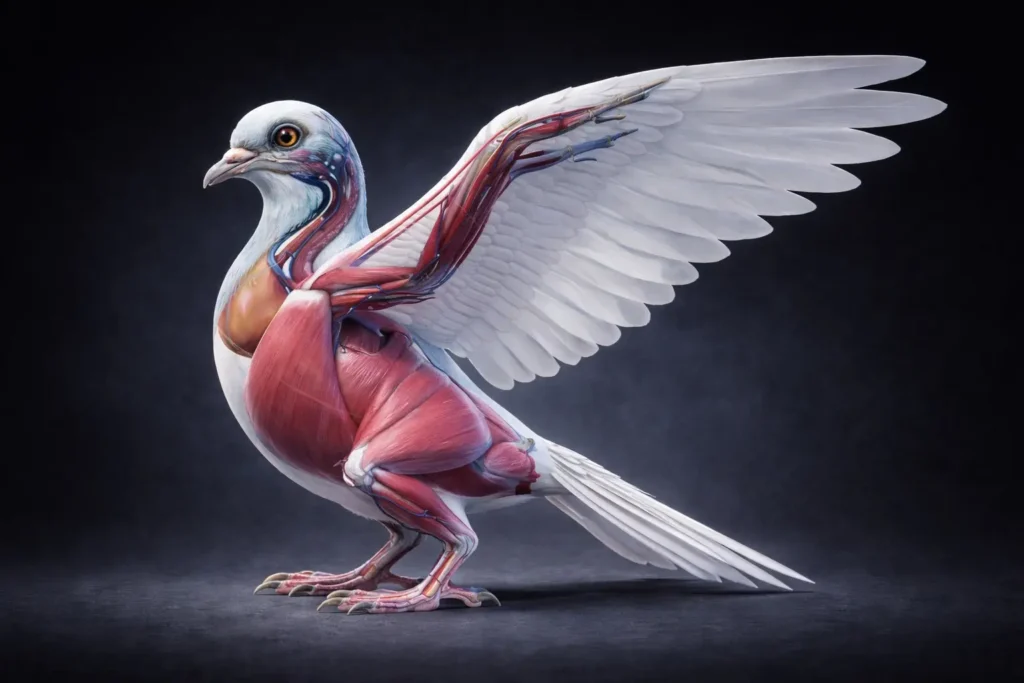
The large pectoral muscle (pectoralis major) is the power centre of the carrier pigeon. It is rich in mitochondria, the „power stations of the cell“, and is optimally supplied with blood.
However, three decisive stress factors occur under racing flight conditions:
- The transport of long-chain fatty acids into the mitochondria can have a limiting effect
- The muscles can become over-acidified due to high levels of stress
- The increased oxygen turnover increases oxidative cell stress
This is where functional nutrients such as L-carnitine, beta-alanine, L-histidine, taurine, vitamin E, vitamin C and selenium come into play.
L-carnitine - the door opener for fat burning
L-carnitine plays a key role in energy metabolism. It transports long-chain fatty acids into the mitochondria, where they are used to generate energy.
What does that mean in practical terms?
- More efficient fat utilisation
- More stable power supply over long distances
- Support for aerobic endurance performance
Studies on racing pigeons showed lower plasma lactate levels after carnitine supplementation and faster normalisation of the heart rate after exercise. This indicates more efficient energy utilisation and better recovery.
This mechanism can be crucial, especially in long-distance flight, when every energy reserve counts.
Beta-alanine & L-histidine - protection against hyperacidity
When the muscle works hard, acids are produced. If the buffer capacity is exceeded, performance decreases.
This is where carnosine, the body's own acid buffer, comes into play.
The body needs beta-alanine and histidine in order to produce carnosine.
Important to know:
Beta-alanine is the limiting factor. Studies show that several weeks of supplementation significantly increases the carnosine level in the muscle.
The consequences:
- Delayed muscle acidification
- More stable contractility
- More load stability at the crucial moment
However, the lead time is crucial, as a short-term administration on the day of use is not sufficient.
Taurine - stability for the heart and cells
Taurine is particularly strong in heart and muscle tissue.
Its functions:
- Stabilisation of the cell membranes
- Regulation of the calcium balance in the heart muscle
- Supporting the water balance during heat stress
- Protection against oxidative stress
This mechanism is particularly relevant in endurance flight, when the heart and muscles are constantly working.
Antioxidant protection: vitamin E, vitamin C & selenium
High performance means high oxygen turnover and thus the formation of free radicals.
Vitamin E protects the cell membranes and the mitochondria.
Selenium supports antioxidant enzymes and supplements the effect of vitamin E.
Vitamin C regenerates oxidised vitamin E and stabilises the entire protective system, especially under stress, heat and transport conditions.
Poultry studies show that combined supplementation can reduce oxidative muscle markers.
Feeding recommendations for racing pigeons in the preparation phase
The foundation for a stable competition season is already laid in the training and preparation phase.
In this phase, the focus is on the continuous build-up of metabolic capacity:
- Early supplementation with L-carnitine to support the transport of fatty acids
- Start beta-alanine supplementation at least 3-4 weeks before the first competition flights
- Development of the antioxidant protection system with vitamin E, vitamin C and selenium
- Continuous supply of taurine to stabilise heart and muscle cells
The aim is to optimally prepare the energetic and cellular systems before the first high load.
Feeding during the competition season: stabilise instead of improvise
During the current competition season, the focus is no longer on building up, but on stabilising and maintaining performance.
Key points:
- Continuous supply of L-carnitine to ensure an increased carnitine content in the muscle tissue
- Continuation of the beta-alanine supply to maintain the buffering capacity
- Antioxidant accompaniment to control oxidative stress
- Taurine supports cell and heart metabolism
A purely selective administration on the day of use cannot have a lasting effect on these processes.
Physiological logic speaks in favour of continuous support during the training and travel phases.
Regeneration phase after the race: the basis for the next top performance
After the flight, the decisive phase for the next performance begins.
Regeneration focusses on the following mechanisms:
- Restoration of the acid-base balance
- Reduction of oxidative stress
- Stabilisation of the cell membranes
- Support for the heart and muscle cells
- Replenishment of performance-relevant amino acids
Antioxidant components and taurine play an important role here.
L-carnitine can also contribute to metabolic stabilisation by maintaining energy metabolism and supporting mitochondrial function.
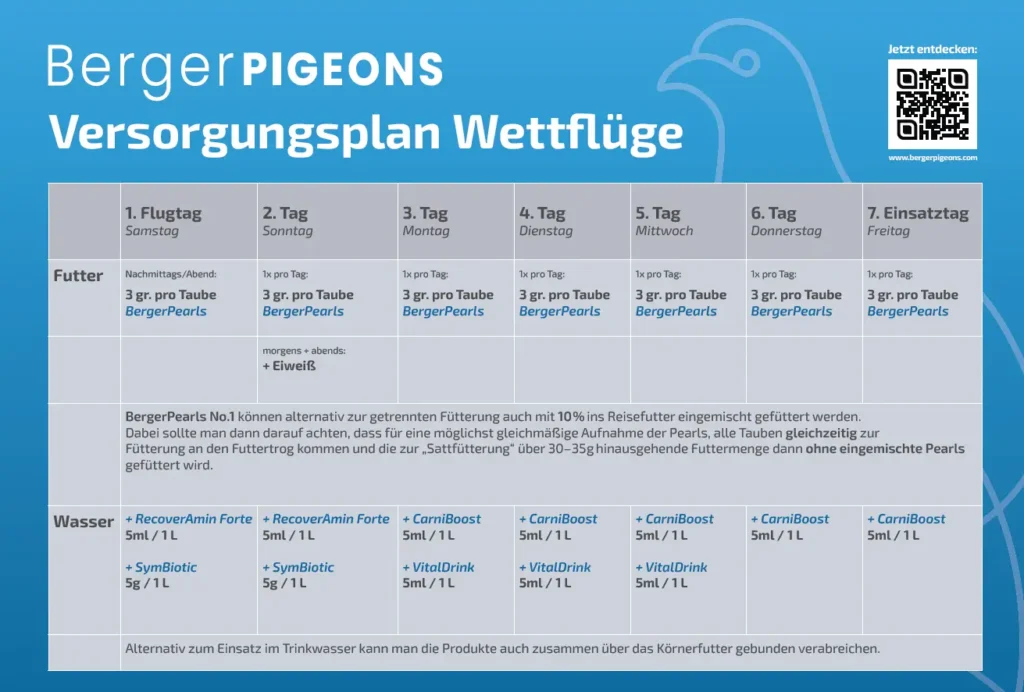
Targeted support through RecoverAmin Forte
A regeneration concept such as RecoverAmin Forte is specifically positioned in this sensitive phase after the race.
The combination of valuable amino acids provides support:
- muscular regeneration
- the reconstruction of strained muscle structures
- Stabilisation of the metabolism after intensive exercise
Amino acids are particularly relevant after a flight, as they are needed for repair and adaptation processes in the muscle.
Intestinal stability and metabolic balance with SymBiotic
In addition to muscle regeneration, the stability of the digestive system also plays a central role. Exercise, transport and race stress can influence the intestinal flora.
This is where a concept like SymBiotic comes in and provides support:
- stabilisation of the intestinal flora
- improved nutrient utilisation
- the overall metabolic balance
Stable intestinal function is a prerequisite for optimum absorption of performance-relevant nutrients in the subsequent training and competition phase.
A structured regeneration strategy consisting of antioxidant protection, metabolic stabilisation, targeted amino acid supply and intestinal support is decisive for how quickly a racing pigeon is ready to perform again.
If you manage your regeneration professionally, you not only secure your current form, but also build the basis for consistent top performances throughout the entire competition season.
Practical relevance: Modern supplementation strategies in racing pigeon sport
In specialised feed supplements CarniBoost For racing pigeons, there are combined formulations with L-carnitine, beta-alanine, histidine, taurine and antioxidant protective factors.
The liquid application via drinking water enables even absorption and rapid availability.
This supply concept through „CarniBoost“ is based on the principle of metabolic synergy.
Conclusion: Performance is no coincidence - it's metabolism
The modern racing season demands more than just good training.
Those who understand the physiological basis of energy metabolism and provide targeted support create the basis for:
- Constant energy supply
- Reduced metabolic stress
- More stable regeneration
- Sustainable performance
👉 Would you like to not only train your racing pigeons, but also support them metabolically at a top level?
Then rely on a well thought-out feeding strategy from the preparation phase through to regeneration.
Find out now about performance-physiologically based supplement concepts at BergerPIGEONS.com and turn your team's metabolism into your competitive advantage. stay.
.
What effect does L-carnitine have on racing pigeons?
L-carnitine improves the transport of fatty acids into the mitochondria and thus supports aerobic energy production and endurance performance in racing pigeons.
Beta-alanine increases the carnosine level in the muscle and delays muscle acidification during intensive races.
No. Continuous supplementation makes more metabolic sense than a single dose on the day of use.
Taurine stabilises cell membranes, supports heart function and protects against oxidative stress.
Vitamin E and selenium protect the muscle cells from oxidative stress and stabilise the cell membranes during high levels of stress.
Yes, the need increases under stress, heat and transport, so an additional supply can be useful.
It restores the acid-base balance, reduces oxidative stress and prepares the muscles for the next exertion.
Amino acids support muscle regeneration and the reconstruction of stressed muscle structures.
It provides targeted amino acids to support muscle metabolism and recovery processes after intensive exercise.
Stable intestinal flora improves nutrient absorption and supports metabolic balance during the recovery phase.
SymBiotic supports intestinal stability and contributes to optimal nutrient utilisation after flight stress.
What effect does L-carnitine have on racing pigeons?
L-carnitine improves the transport of fatty acids into the mitochondria and thus supports aerobic energy production and endurance performance in racing pigeons.
Why is beta-alanine important for racing pigeons?
Beta-alanine increases the carnosine level in the muscle and delays muscle acidification during intensive races.
Should L-carnitine only be given on the day of use?
No. Continuous supplementation makes more metabolic sense than a single dose on the day of use.
What role does taurine play in racing pigeons?
Taurine stabilises cell membranes, supports heart function and protects against oxidative stress.
What role do vitamin E and selenium play in competition flights?
Vitamin E and selenium protect the muscle cells from oxidative stress and stabilise the cell membranes during high levels of stress.
Is vitamin C useful for racing pigeons despite their own production?
Yes, the need increases under stress, heat and transport, so an additional supply can be useful.
Why is the regeneration phase so important for racing pigeons?
It restores the acid-base balance, reduces oxidative stress and prepares the muscles for the next exertion.
What role do amino acids play after the race?
Amino acids support muscle regeneration and the reconstruction of stressed muscle structures.
How does RecoverAmin Forte support regeneration?
It provides targeted amino acids to support muscle metabolism and recovery processes after intensive exercise.
Why is the intestinal flora important after the race?
Stable intestinal flora improves nutrient absorption and supports metabolic balance during the recovery phase.
What function does SymBiotic fulfil in regeneration?
SymBiotic supports intestinal stability and contributes to optimal nutrient utilisation after flight stress.
Was this article helpful?
Share this article with colleagues or friends. I am always happy to welcome new readers to the BergerPIGEONS blog.