Menu

L-carnitine & co. in the race: How to specifically boost the energy metabolism of your racing pigeons

More energy. More stability. More willingness to perform in the racing season.

When racing pigeons go on races, they perform exceptionally well.
Their metabolism works at full speed during continuous flight with up to 10-15 times the resting metabolic rate. While other animal species mainly rely on carbohydrates during exercise, racing pigeons mainly use fat as an energy source. This is precisely where their enormous endurance potential lies - but also a potential bottleneck.

Anyone who understands the power metabolism can Feeding, training and regeneration and thus create the basis for consistent performance throughout the entire racing season.


Why the energy metabolism decides between victory and mediocrity

The large pectoral muscle (pectoralis major) is the power centre of the carrier pigeon. It is rich in mitochondria, the „power stations of the cell“, and is optimally supplied with blood.

However, three decisive stress factors occur under racing flight conditions:

- The transport of long-chain fatty acids into the mitochondria can have a limiting effect
- The muscles can become over-acidified due to high levels of stress
- The increased oxygen turnover increases oxidative cell stress

This is where functional nutrients such as L-carnitine, beta-alanine, L-histidine, taurine, vitamin E, vitamin C and selenium come into play.


L-carnitine - the door opener for fat burning

L-carnitine plays a key role in energy metabolism. It transports long-chain fatty acids into the mitochondria, where they are used to generate energy.

What does that mean in practical terms?

- More efficient fat utilisation
- More stable power supply over long distances
- Support for aerobic endurance performance

Studies on racing pigeons showed lower plasma lactate levels after carnitine supplementation and faster normalisation of the heart rate after exercise. This indicates more efficient energy utilisation and better recovery.

This mechanism can be crucial, especially in long-distance flight, when every energy reserve counts.


Beta-alanine & L-histidine - protection against hyperacidity

When the muscle works hard, acids are produced. If the buffer capacity is exceeded, performance decreases.

This is where carnosine, the body's own acid buffer, comes into play.
The body needs beta-alanine and histidine in order to produce carnosine.

Important to know:
Beta-alanine is the limiting factor. Studies show that several weeks of supplementation significantly increases the carnosine level in the muscle.

The consequences:

- Delayed muscle acidification
- More stable contractility
- More load stability at the crucial moment

However, the lead time is crucial, as a short-term administration on the day of use is not sufficient.


Taurine - stability for the heart and cells

Taurine is particularly strong in heart and muscle tissue.

Its functions:

- Stabilisation of the cell membranes
- Regulation of the calcium balance in the heart muscle
- Supporting the water balance during heat stress
- Protection against oxidative stress

This mechanism is particularly relevant in endurance flight, when the heart and muscles are constantly working.


Antioxidant protection: vitamin E, vitamin C & selenium

High performance means high oxygen turnover and thus the formation of free radicals.

Vitamin E protects the cell membranes and the mitochondria.
Selenium supports antioxidant enzymes and supplements the effect of vitamin E.
Vitamin C regenerates oxidised vitamin E and stabilises the entire protective system, especially under stress, heat and transport conditions.

Poultry studies show that combined supplementation can reduce oxidative muscle markers.


Feeding recommendations for racing pigeons in the preparation phase

The foundation for a stable competition season is already laid in the training and preparation phase.

In this phase, the focus is on the continuous build-up of metabolic capacity:

- Early supplementation with L-carnitine to support the transport of fatty acids
- Start beta-alanine supplementation at least 3-4 weeks before the first competition flights
- Development of the antioxidant protection system with vitamin E, vitamin C and selenium
- Continuous supply of taurine to stabilise heart and muscle cells

The aim is to optimally prepare the energetic and cellular systems before the first high load.


Feeding during the competition season: stabilise instead of improvise

During the current competition season, the focus is no longer on building up, but on stabilising and maintaining performance.

Key points:

- Continuous supply of L-carnitine to ensure an increased carnitine content in the muscle tissue
- Continuation of the beta-alanine supply to maintain the buffering capacity
- Antioxidant accompaniment to control oxidative stress
- Taurine supports cell and heart metabolism

A purely selective administration on the day of use cannot have a lasting effect on these processes.
Physiological logic speaks in favour of continuous support during the training and travel phases.


Regeneration phase after the race: the basis for the next top performance

After the flight, the decisive phase for the next performance begins.

Regeneration focusses on the following mechanisms:

- Restoration of the acid-base balance
- Reduction of oxidative stress
- Stabilisation of the cell membranes
- Support for the heart and muscle cells
- Replenishment of performance-relevant amino acids

Antioxidant components and taurine play an important role here.
L-carnitine can also contribute to metabolic stabilisation by maintaining energy metabolism and supporting mitochondrial function.

Targeted support through RecoverAmin Forte

A regeneration concept such as RecoverAmin Forte is specifically positioned in this sensitive phase after the race.

The combination of valuable amino acids provides support:

- muscular regeneration
- the reconstruction of strained muscle structures
- Stabilisation of the metabolism after intensive exercise

Amino acids are particularly relevant after a flight, as they are needed for repair and adaptation processes in the muscle.

Intestinal stability and metabolic balance with SymBiotic

In addition to muscle regeneration, the stability of the digestive system also plays a central role. Exercise, transport and race stress can influence the intestinal flora.

This is where a concept like SymBiotic comes in and provides support:

- stabilisation of the intestinal flora
- improved nutrient utilisation
- the overall metabolic balance

Stable intestinal function is a prerequisite for optimum absorption of performance-relevant nutrients in the subsequent training and competition phase.


A structured regeneration strategy consisting of antioxidant protection, metabolic stabilisation, targeted amino acid supply and intestinal support is decisive for how quickly a racing pigeon is ready to perform again.

If you manage your regeneration professionally, you not only secure your current form, but also build the basis for consistent top performances throughout the entire competition season.


Practical relevance: Modern supplementation strategies in racing pigeon sport

In specialised feed supplements CarniBoost For racing pigeons, there are combined formulations with L-carnitine, beta-alanine, histidine, taurine and antioxidant protective factors.

The liquid application via drinking water enables even absorption and rapid availability.

This supply concept through „CarniBoost“ is based on the principle of metabolic synergy.


Conclusion: Performance is no coincidence - it's metabolism

The modern racing season demands more than just good training.

Those who understand the physiological basis of energy metabolism and provide targeted support create the basis for:

- Constant energy supply
- Reduced metabolic stress
- More stable regeneration
- Sustainable performance

👉 Would you like to not only train your racing pigeons, but also support them metabolically at a top level?

Then rely on a well thought-out feeding strategy from the preparation phase through to regeneration.
Find out now about performance-physiologically based supplement concepts at BergerPIGEONS.com and turn your team's metabolism into your competitive advantage. stay.

.

L-carnitine improves the transport of fatty acids into the mitochondria and thus supports aerobic energy production and endurance performance in racing pigeons.


What effect does L-carnitine have on racing pigeons?

Why is beta-alanine important for racing pigeons?

Should L-carnitine only be given on the day of use?

What role does taurine play in racing pigeons?

What role do vitamin E and selenium play in competition flights?

Is vitamin C useful for racing pigeons despite their own production?

Why is the regeneration phase so important for racing pigeons?

What role do amino acids play after the race?

How does RecoverAmin Forte support regeneration?

Why is the intestinal flora important after the race?

What function does SymBiotic fulfil in regeneration?

Care plan for the races: orientation for the fancier, performance stability for racing pigeons

With the new menu item Pension plans provides BergerPIGEONS The new plan is now available for the first time and is practice-orientated and starts exactly where races are decided: in the days between two assignments.

The now published Supply plan for the phase between races is aimed at racing pigeon fanciers who want to improve their feeding, supplementation and support. Structure clearly, without forcing their pigeons into a rigid system.

Why the phase between races is crucial

The decision is made between arrival and re-entry,
whether a carrier pigeon Fully regenerated,
their Metabolic processes stabilised
and physically and mentally ready to perform again is.

Feed changes or only selective supplements often lead to form fluctuations:
slow regeneration, unnecessary strain or lack of consistency throughout the racing season.

This is precisely where the new supply plan comes in.


Clear weekly schedule instead of daily uncertainty

The Supply plan is as Clear weekly schedule constructed.
Each day between two races fulfils a concrete function:

  • Regeneration after the flight
  • Stabilisation of the intestines, metabolism and immune system
  • Targeted preparation for the next assignment

The tabular presentation makes it possible, at a glance to recognise which care is appropriate on which day.

👉 The plan is printable and deliberately designed so that it can be used permanently in the loft or feed room.


Practical, not theoretical

The pension plan deliberately avoids long theoretical treatises.
Instead, the Practical realisability in everyday life in the foreground.

All products mentioned are:

  • linked directly in the plan
  • with detailed Detailed descriptions deposited

Additional explanations are provided below the plan:

  • Why a measure is used on exactly this day
  • what physiological purpose it fulfils
  • which systems of the pigeon are supported (e.g. digestion, mineral balance, regeneration)

This creates a greater understanding and not just an application according to a scheme.


A basic framework, not a dogma

The care plan is intended as a guide for the use of BergerPIGEONS products. It is a resilient basic structure, which can be adapted to different flight loads. The plan deliberately does not contain any explicit feed recommendations, as the experience of each individual breeder and personal preferences can be taken into account.

Experienced growers in particular benefit from this because they can use their own observations Classify specifically and make well-founded adjustments instead of reacting on instinct.


For whom is the Supply plan thought?

The plan is suitable for:

  • Beginners who Security and structure Search
  • Advanced users who want to optimise their more constant want to design
  • experienced breeders who have a Reference system want to use for their decisions

Regardless of performance level, the same goal always takes centre stage:
healthy, stable racing pigeons ready for repeated use over the entire racing season.


Now available - more plans to follow

The Supply plan for the phase between races is now available online:

👉 https://bergerpigeons.com/versorgungsplan/

Further pension plans for:

  • Rest phase
  • Mauser
  • Breeding
  • Young animals

are already in preparation and will gradually supplement the system.

A feeding plan is a structured overview of the feeding and supplementation of racing pigeons, tailored to training and racing phases.

What is a care plan for racing pigeons?

Why is it so important to have supplies between races?

Is the care plan suitable for beginners?

Do all products have to be transferred exactly?

Are there any other Berger Pigeons supply plans?

Clostridia in the intestines of racing pigeons: an invisible brake on performance during the racing season

Or, why do healthy pigeons lose performance during the season?

Many growers are familiar with this phenomenon:
The pigeons appear healthy on the outside, the training is good, the feed is of high quality and yet the hoped-for results do not materialise. The animals do not come home sick, but noticeably later.

An often overlooked factor lies inside the pigeon: Intestinal health. To be more precise Subclinical clostridial contamination in the intestine can significantly impair performance without causing classic symptoms of illness.


Clostridia - a natural inhabitant with a serious risk

Clostridia are anaerobic, spore-forming bacteria that occur naturally in the intestines of racing pigeons. In small quantities, they are part of the normal intestinal flora.

It becomes problematic when the Microbiological balance is disturbed, for example by

  • Stress during the racing season
  • Feed changes
  • Antibiotic administration
  • Concomitant infections

In such situations, clostridia can multiply rapidly, Form toxins and irritate the intestinal mucosa, often without causing visible diarrhoea or acute illness.

In these so-called subclinical courses, the pigeons appear healthy, but sometimes show dull plumage, delayed regeneration and poor form.

Straight Young pigeons, Old pigeons after hard flights or after 6-8 flights in the course of a season and increasingly often flocks after medication are particularly susceptible. The result: the pigeon flies below their capabilities.


Science & practice: What we know

Direct studies on the influence of subclinical Clostridia on the flight performance of racing pigeons are still lacking. However, numerous studies from the field of poultry science show that Clostridium perfringens can be found in other bird species even without severe symptoms. Significant loss of performance caused.

Microbiome studies also provide clear evidence:
👉 A stable gut microbiome is a key prerequisite for health and performance.

These findings are consistent with the many years of experience of specialised racing pigeon veterinarians: pigeons with an unclear weakness of form often show increased clostridia levels and their results improve significantly as soon as the intestines are specifically stabilised.


🔬 Why strategic gut reorganisation is the key to performance

The central finding from science and practice is clear:
A damaged or unstable gut microbiome does not regenerate by itself and certainly not in the short term.

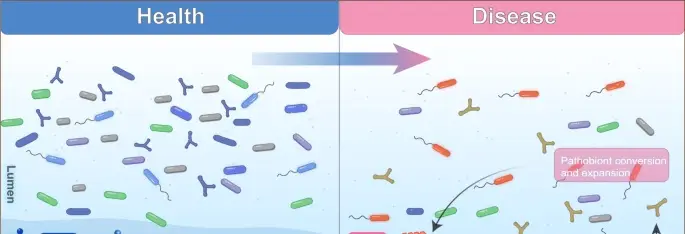
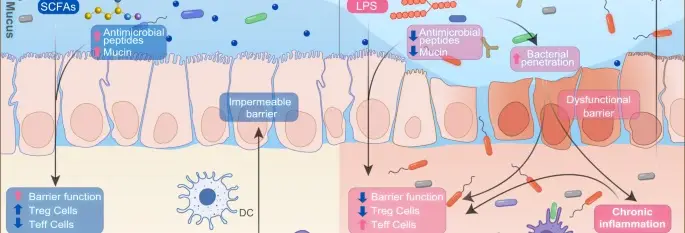
Fig.: Schematic representation of the healthy and diseased microbiome.

Subclinical clostridial contamination is not an acute problem, but rather a Chronic process, that builds up over weeks and months. That is precisely why it is enough not from, to use a product selectively or to „improve“ it at short notice during the season.

👉 Performance is only achieved when the gut is stabilised in the long term.

One Intestinal rehabilitation introduced at an early stage and strategically organised is therefore the decisive lever, ideally already long enough before the racing season and consistently throughout the season.


🧬 SymBiotic: Why the interaction of several probiotics really works

An efficient microbiome is No mono system, but a finely tuned ecosystem of different microorganisms with clearly distributed tasks.

This is precisely the decisive advantage of real SymBiotics.

The high-quality SymBiotic consciously uses the Interaction of several probiotics, which complement and reinforce each other:

  • Bacillus subtilis & Bacillus licheniformis
    → Enzyme dominance, competition suppression of clostridia, better feed utilisation
  • Pediococcus acidilactici & Enterococcus lactis
    → Lowering of the intestinal pH value, unfavourable environment for clostridia, stabilisation of the intestinal barrier
  • Bacillus velezensis
    → Broadly antimicrobial, immunomodulating, anti-inflammatory

Supplemented by Prebiotics (MOS & FOS) a real symbiotic system, that:

  • specifically promotes beneficial germs
  • binds pathogenic germs
  • closes ecological niches for Clostridia
  • and permanently stabilises the microbiome

👉 It is not a single strain that is decisive, but the functional interaction.


🕒 Why early & long-term is the decisive factor

A stable microbiome:

  • needs Time, to build yourself up
  • reacts sensitively to stress, flights, weather, food changes
  • must continuously maintained become

Therefore:

The earlier intestinal rehabilitation is started, the more stable the performance remains during the season.

Breeders who only react when performance has already been lost are often fighting against an already chronically disturbed balance.that the optimum effect of probiotic bacteria is only achieved with continuous daily intake.


🏁 Conclusion: take gut health seriously as a performance factor

The quintessence of all the findings is:

  • Clostridia are common not the real problem,
  • but a Symptom of an unstable microbiome.

In practice, this means

  • Regular Faeces analyses help to recognise subclinical problems at an early stage.
  • Antibiotics should not prophylactic, but only be used in a targeted manner.
  • After stress, the gut needs Active regeneration.

Only one Strategic, long-term intestinal rehabilitation with a genuine SymBiotic:

  • builds up the microbiome sustainably
  • protects against subclinical loss of performance
  • Improves regeneration, endurance and flight speed
  • and creates consistent form over the entire competition season

In this way, the basis for clostridial overgrowth is removed precisely where performance is lost unnoticed.


Conclusion for racing pigeon fanciers

Subclinical clostridia belong to the The most common but least recognised performance brakes in racing pigeon sport.
If you want to achieve top performance in the long term, you should Intestinal health of his pigeons just as consistently as training and feeding.


👉 You would like to optimise the intestinal health of your flock and get the full performance potential out of your pigeons.

Then start now with a targeted intestinal cleanse:
Faeces analysis
✔ Reduction of unnecessary burdens
✔ Use of high-quality Symbiotics for microbiome stabilisation

Tip: We now recommend a symbiotic intestinal cure daily for 2-3 weeks at a time.

Clostridia are intestinal bacteria that are normal in small quantities, but can impair performance if they overgrow.

What are clostridia in racing pigeons?

Can clostridia reduce flight performance?

How do you recognise subclinical clostridia?

Are antibiotics against clostridia useful?

What supports the intestinal health of racing pigeons?

The right time to start BergerPearls No.1: Why early feeding significantly improves the health and performance of your racing pigeons

Why does the time of launch also determine success or failure?

Many growers ask: "When should I start the BergerPearls No.1 start?"
My counter-question: Why wait when the decisive advantage is an early start?

BergerPearls No.1 is not just a feed supplement. It is a scientifically based, functional nutritional concept that combines energy, intestinal health, immune modulation and antimicrobial stability. These mechanisms of action only develop their full potential if pigeons are familiarised with the pearls early and regularly.

The experience gained from over 40 years of breeding and product development and the current scientific analysis and data on BergerPearls No1 clearly show that:

Whoever starts in winter wins in spring.
If you start late, you give away performance and stability.

This blog article shows you why the right start time is a hidden performance factor in racing pigeon racing and how you can BergerPearls No.1 optimally.


Why BergerPearls No.1 redefines the feeding of modern racing pigeons

BergerPearls No.1 combine several functions that were previously only available via many individual products. Each pearl contains:

  • an energy-rich peanut kernel base
  • Probiotics and prebiotics
  • Digestive enzymes
  • Beta-glucans and colostrum
  • MCT fatty acids
  • Toxin binders such as bentonite and zeolite
  • essential vitamins and chelated trace elements
  • Herbal active ingredients such as carvacrol (oregano extract)

These components are scientifically documented, safe and effective to use.

The gentle pelletising process protects particularly heat-sensitive substances such as probiotics or plant extracts and ensures that the pearls remain fully active, which is a key advantage over conventional pellets, extrudates and other preparations.


Why winter is the ideal time to start

The best moment, BergerPearls No.1 into your stroke is now in the resting phase.
Why?

  1. Hunger intensifies learning processes
    Pigeons are most likely to accept new feed when temperatures are low and the metabolism "rewards food".
  2. No travelling load
    Without training and competition flights, the animals are calmer, more receptive and less stressed. The acceptance of new feed components is significantly higher.
  3. The resting phase creates ideal conditions
    In winter, there is much more calmness in the barn and no changing conditions. This relaxed basic situation makes it easier to introduce new feed components in a calm and controlled manner.
  4. Microbiome and immune system benefit from early start
    Probiotics, beta-glucans, colostrum and MCT fatty acids require Days to weeksto fully develop their effect. Late starters do not have this advantage.
  5. The transition to breeding and training becomes easier
    A stable gut means:
    - fewer fluctuations in shape
    - Faster regeneration
    - lower infection pressure
    - calm moulting and breeding

Short: Those who start early start the pigeon year with a head start.


The introduction strategy: How to feed BergerPearls No.1 correctly right from the start

Stage 1: Separate pre-feeding (2-3 days)

This phase determines acceptance and long-term success.

Procedure:

  • in the morning before a small amount of beads into the feed chute from the grain mixture
  • all pigeons eat reliably due to the hunger instinct

Why separate?
Pigeons must use the pearls as Independent, attractive component get to know.
Only when each pigeon picks up the beads safely does step 2 take place.

This is a key value from practical experience and is also biologically understandable, as pigeons learn to recognise and appreciate new food primarily through positive experiences.


Stage 2: Mixed feeding (5 % during the rest period)

As soon as the entire stock safely eats the pearls:

  • Beads in a quantity of 5 % Mix with the grain feed
  • daily or at least 5-6 days per week
  • No additional mixing with oils etc. necessary

Scientific background:
The analysis clearly shows that continuous small amounts of probiotics, MCTs and beta-glucans are physiologically much more effective than high single doses. The reason is simple: probiotics require daily repeated stimuli in order to form stable colonies and protect the mucous membranes in the long term. MCT fatty acids only develop their selective antimicrobial effect optimally if they are regularly available in the intestinal lumen and thus build up constant pressure on pathogenic germs. Beta-glucans, on the other hand, modulate the immune system not through peak loads, but through continuous activation of the receptors of macrophages and dendritic cells. Small daily amounts therefore ensure a calm, resilient immune response, improved mucous membrane protection and a stable intestinal barrier and thus precisely the basis that pigeons need for regeneration, training stress and defence against infection.


Stage 3: Increase for breeding preparation (10 % for 7-10 days)

One week before mating, the 10 % increased.

Reason:

  • Metabolism changes
  • Hormonal activity increases
  • Egg formation, mucous membranes and brood load require micronutrient reserves

Scientific background:

The week before mating is a phase of profound physiological changes. The pigeon's organism prepares for hormonal activation, pair bonding, nest building and subsequent egg formation. These processes are highly metabolically active and generate a significantly increased need for energy, micronutrients and functional protective factors.

The 7-10 day increase to 10 % BergerPearls No.1 before mating covers the increasing physiological requirements in this sensitive conversion phase. Shortly before breeding, metabolism and hormone activity increase; fat, protein and micronutrients are increasingly required to support the gonads, mucous membranes and subsequent egg formation. The energy-rich peanut base provides quick energy and high-quality amino acids, while vitamins and chelated trace elements ensure hormonal regulation, shell quality and fertilisation rates.

At the same time, the immune system must be stabilised, as brooding, nest contact and hormonal changes increase the pressure of infection. Pro- and prebiotics, MCT fatty acids, beta-glucans and colostrum strengthen the intestines as the headquarters of the immune defence, improve mucous membrane protection and reduce pathogenic germs. This creates a resistant, microbiologically stable foundation that supports the entire breeding phase.

An additional advantage: a well cared for parent pigeon forms more immunoglobulins in the crop milk, a decisive starting advantage for young pigeons in terms of vitality, growth and disease resistance.


Why an early start is biologically superior

1. probiotics need colonisation

The tribes Bacillus subtilis and Enterococcus faecium take days to weeks to establish themselves in the intestine and develop:

  • Competitive displacement of pathogenic germs
  • pH stabilisation
  • Protection of the mucous membranes

Scientific evaluation clearly shows that the optimum effect of probiotic bacteria is only achieved with continuous daily intake.


2. beta-glucans activate the immune system via repetitive stimuli and act according to the "training effect"

The receptors of macrophages need to be "trained". Beta-glucans activate macrophages via Dectin receptors. The immunological "awakening" requires Regular stimuli and no impact gift.

A late start at travelling time means that the immune system is not yet "awake".


3. MCT fatty acids build up a selective antimicrobial pressure

The MCT effect is created by

  • Membrane-dissolving activity against pathogenic germs
  • Protection of the desired microbial flora and lactobacilli
  • act along the entire intestine

This selective germ control benefits from Continuous small dosing and daily administration creates a Antimicrobial basic environmentwhich prevents infections.


4. toxin binders require time and create a "clean gut" over weeks

Bentonite, zeolite and biochar:

  • bind mycotoxins
  • reduce endotoxins
  • relieve the liver and digestive tract

The positive effect is created over weeks by Constant binding capacityThis is also an argument in favour of early feeding and not just for a few days.


Why an early start brings real benefits

If you introduce BergerPearls No.1 during the quiet winter phase, you are utilising a biologically ideal time window. The pigeons are relaxed, receptive and can learn new feed components without stress. This ensures a safe, even intake and lays the foundation for stable levels of active ingredients in the gut.

Early, regular feeding strengthens the microbiome and activates the immune system even before training stimuli, travelling pressure or breeding stress set in. Probiotics, MCT fatty acids and beta-glucans have a cumulative effect, which is precisely why they are most effective when they are already established before the stress begins.

A well-prepared gut ensures that the pigeons remain calmer, regenerate better and are more resistant during training and races.

In short:

Starting early gives you a head start.
Starting late means catching up on form.

How do I properly acclimatise my racing pigeons to BergerPearls No.1?

How much BergerPearls No.1 should I feed during the resting phase?

Why is early feeding so important for intestinal health and the immune system?

WaterControl, the step towards sustainable drinking trough hygiene for racing pigeons

Or: Why clean drinking water makes the difference between victory and defeat

The health, vitality and performance of Carrier pigeons depend on many factors, from high-quality feeding and optimal training to a careful breeding strategy. However, one aspect that is often underestimated is the Quality of the drinking water.

Clean water is the basis of all metabolic processes. However, dangers lurk in polluted water: Bacteria such as E. coli or salmonella as well as protozoa such as trichomonads are triggers of diseases or, in the best case, "only" cause loss of shape. This is exactly where BergerPIGEONS WaterControl an innovative product that is consistently Drinking water hygiene and thus to the Health of racing pigeons is aimed at.

HOCl: The natural answer to germs

WaterControl relies on Hypochlorous acid (HOCl)a substance that the body produces itself as a defence against pathogens. HOCl penetrates germs, destroys cell membranes and cell components and kills bacteria, viruses, fungi and yeasts directly, quickly, reliably and without residue, unlike acid products, which only inhibit growth. After use, nothing remains except water and salt.

In contrast to many other products, HOCl is not only highly effective, but at the same time Gentle on pigeons, material-friendly and neutral in flavour. This ensures that racing pigeons enjoy drinking water in sufficient quantities, a decisive advantage, especially in the hot season when hydration is essential for health and performance. WaterControl thus combines a Strong effect in drinking water hygiene with High acceptance by the animals. In comparison, acid preparations are based on organic acids: although they can reduce the infection pressure, pigeons are often reluctant to drink them. WaterControl offers the decisive difference: strong effect without compromise, for healthy and successful pigeons.

Ecalit process - The difference to competitor products

Many HOCl solutions quickly lose stability and have to be dosed at high levels. This is where WaterControl comes in with the Ecalit process on: It guarantees a particularly pure and stable form of HOCl. This makes the difference in practice: lower dosage, high efficacy and maximum safety.

The science behind WaterControl: Hypochlorous acid (HOCl)

HOCl is an endogenous substance that the immune system of humans and animals also uses to fight off pathogens.

  • Manufacture: BergerPIGEONS WaterControl is electrochemically activated using the ECALIT® process with water, salt and electricity. The result: a highly effective, residue-free disinfectant with a shelf life of up to two years.
  • Effect: HOCl penetrates germs, destroys cell components and kills bacteria, viruses, fungi and yeasts directly, in contrast to acid products, which only inhibit growth.
  • Compatibility: As HOCl occurs naturally in the body, it is particularly gentle and safe for pigeons.

The invisible enemy: Biofilm in drinking vessels

A core problem in pigeon breeding is the Biofilm, a slimy coating in drinking troughs and drinking vessels that protects pathogens and can promote antibiotic resistance.

WaterControl dissolves and destroys biofilm sustainably. It therefore not only eliminates superficial germs, but also their source. This reduces the risk of recurring infections and contributes to long-term Health of racing pigeons with.

Application and dosage: Practical for everyday use by breeders

Area of applicationDosage per 1 litre of waterPurposeFrequency
Maintenance hygiene0.5-1 mlDaily, preventive applicationRegularly
Intensive hygienisation3-5 mlShock treatment for increased bacterial loadUnique
Drinking trough/line cleaning10-20 mlBasic cleaning & biofilm removalIf required

Practical examples:

  • Maintenance hygiene: daily to prevent disease transmission.
  • Intensive hygienisation: after races, in the case of new arrivals or acute bacterial contamination.
  • Cleaning: Targeted against biofilm in drinking troughs, pipes and containers.

Quality standards:

  • DIN EN 901 tested: fulfils the strictest standards for human drinking water.
  • Environmentally friendly: Decomposes into water and salt - no residues, no toxicity.

Conclusion: Foundation for healthy and high-performance racing pigeons

BergerPIGEONS WaterControl is due to its properties a Strategic tool for the breeder:

  • ensure drinking water hygiene in the long term,
  • prevent infections,
  • to sustainably break down biofilm,
  • and increase the performance of the pigeon population.

With WaterControl provides you with a solution that combines modern science and practical suitability for everyday use. Thanks to HOCl in the Ecalit process chains of infection are reliably interrupted, without side-effects, without the desire to drink, without residues.

Whoever wants to protect their pigeons Reduce infection pressure and the Health in the blow permanently, thanks to the special Ecalit process in WaterControl is the ideal solution.

Contaminated water can contain bacteria, viruses and protozoa and cause diseases such as trichomoniasis. Clean drinking water protects the health of racing pigeons.

Why is drinking water hygiene so important for racing pigeons?

How does BergerPIGEONS WaterControl work in drinking water?

Is WaterControl safe for racing pigeons?

How do I dose WaterControl in everyday life?

What distinguishes WaterControl from other products?

What makes a high-performance racing pigeon? Between theory, genetics and real-life practice

In racing pigeon breeding, there has always been a desire for performance foresee even before a pigeon goes on its first race. Numerous observation and assessment methods have therefore been developed over generations. They are part of the culture of our sport and are valuable because they help us to perceive, compare and better understand pigeons.

Many breeders work with finely honed theoretical models, for example:

  • Eye theories to assess vitality, orientation or inheritance strength
  • Pigmentation on tail or wing feathers as possible indications of metabolism, vitality or feather quality
  • Shape of certain cover springs under the sash
  • and elasticity and shape of the hand wings, feather structure
  • Musculature, sternum, backbone, back line, throat and breathing

These characteristics are intensively considered and discussed in shows, at exhibitions and in discussions.
And this activity makes sense: it trains your perception and feeling for pigeons.

But:

No single characteristic can predict with certainty whether a pigeon will achieve top performance in the long term.

The decisive factor is the Total from motivation, physiology, orientation, resilience and regeneration capacity, and this sum is reflected in the only in the race.


What do scientific studies show?

The study by Mercieca et al. investigated whether external body characteristics such as wing length, breast depth or body weight are directly related to flight speed. The result was clear:

No single external characteristic reliably explains the actual travel performance.

Pigeons with long wings or deeper chests were not automatically faster. The decisive factors were the interaction and functional performance of the overall system, in particular musculature, energy balance, orientation and stress resistance in flight.

Source: Mercieca S, Jilly B, Gáspárdy A (2017) Connection among Body Measurements and Flying Speed of Racing Pigeon. Int J Agric Sc Food Technol 3(1): 009-018

At the same time, the genetic study by Kolvenbag et al. was able to show that certain Gene variants can influence certain aspects of performance, for example:

Gene markerFunctionPerformance relevance
DRD4Mental stability, orientation
& stress management
Short & medium-haul
F-KERSpring structure & aerodynamic
Efficiency
Long distance (500 km +)

But the same applies here:

No single gene "makes" a top aircraft.
Performance is only achieved in combination with training, health and mental resilience.

Source: Geert Kolvenbag, Mark Scott, Arne de Kloet, Ed de Kloet (2022), Prospective study relating genotype profiles with race performance. Journal of Applied Genetics 63:563-570


What does this mean for the practice of breeding?

I understand pigeons as Functional whole organismswhose performance is generated on several levels simultaneously:

  1. Genetics: It defines the framework within which metabolism, regeneration and orientation are possible.
  2. Musculature & energy supply: Especially the Fat metabolism determines stamina on long flights.
  3. Sash mechanism & spring quality: Not the form "according to theory", but Efficiency counts in practice.
  4. Mental capacity: The instinct to return home, orientation, calmness and stress resistance are crucial.
  5. Training & health management: Without it, potential remains unutilised.

A pigeon is not good because it is "beautiful".
It is good because it repeated home quickly in the heat, rain, headwinds and over long distances.

And that's exactly how I rate pigeons:
I trust in Performance, consistency and regeneration.

The ability to recover after a hard flight to be back at competition level within a few daysFor me, this is one of the strongest performance indicators of all.


Why I continue to check, feel, observe but in the end decide the list

Of course, the judgement of a pigeon in the hand still plays a role.
liveliness, musculature, plumage quality and body balance say something about Condition and Readiness for training but they say nothow the pigeon will react under the real conditions of a race.

And this is exactly where pigeons become competitors: in the air, in the wind, under pressure, at the decisive moment of orientation.

That's why I trust my eyes and my hands, but at the end of the day I trust the Results in the list.

Because what the pigeon in the Basket, in the Air and in the Price list is what it really is.

No. Certain characteristics can provide clues, but the actual performance is only revealed in the race flight.

Can you reliably recognise the performance of a pigeon "in the hand"?

Are genetic tests useful for breeding?

Why does mental strength play such an important role?

What role does training play compared to genetics?

Is a beautiful or "correctly built" pigeon automatically good?

What is the strongest performance indicator for me?

Carrier pigeons and bird flu: how great is the danger really?

The show season is just around the corner with award ceremonies, auctions, fairs and meetings that we have been looking forward to for months. While the organisers have been preparing with great dedication, we fanciers have not been idle either: Our racing pigeons have been lovingly cared for, have moulted brilliantly and are ready for their grand entrance at shows and exhibitions and are full of energy for the tasks ahead.

And suddenly one topic dominates the news: the Avian flu (avian influenza). There is concern, can pigeons transmit bird flu and thus jeopardise their existence or even humans? In this blog post, I will take you by the hand, clarify the facts and show you how we can protect our beloved Pigeons can protect them.

Avian flu: a brief introduction

Bird flu, also known as avian influenza, is a highly contagious viral disease that mainly affects poultry such as chickens, turkeys, ducks and wild birds. We are currently experiencing the biggest spread of this virus for decades and strict protective measures are in place in many places. Racing pigeon fancier are rightly wondering what this means for their pigeons. The reassuring news: For Carrier pigeons the situation is less dramatic than one might expect.

Are carrier pigeons susceptible to bird flu?

In short: Yes, but only with great difficulty. Pigeons can in principle become infected with the avian flu virus, but are less receptive than other bird species. This means that Carrier pigeons much less frequently fall ill. If a pigeon does become infected, the animals usually only show mild symptoms or remain completely inconspicuous. Experience from research and practice confirms this: Neither in urban pigeon populations nor in Pedigree pigeons or Carrier pigeons have been diagnosed with significant cases of bird flu in the past major outbreaks. Their immune systems often seem to be able to cope with the virus, which is a relief for us breeders.

Do pigeons play a role as carriers of bird flu?

Experts and authorities agree: Pigeons do not play a significant epidemiological role in the spread of avian flu. Why? Even if a pigeon is infected, it only excretes a minimal amount of the virus, so little that it is hardly enough to infect other animals. In other words: Carrier pigeons carry the virus almost never in other stocks further. For this reason, pigeons were even removed from the Avian Influenza Ordinance in Germany in 2018. It was recognised that they were not responsible for the epidemic. No significance comes to us. For us as breeders, this means that our Carrier pigeons are not officially regarded as dangerous bird flu carriers. This special status is justified by experts on the grounds that pigeons can transmit viruses in exceptional cases. harbour but the amount of virus remains so small that No infection of other animals.

Exceptions confirm the rule

Of course, nothing in biology is absolute. In rare cases, avian flu viruses have been detected in pigeons. For example, pathogens have been found in the organs of wild pigeons (wood pigeons) in isolated cases. However, such cases are Extremely rare and proceeded in isolation, without further spread. The important thing is For people According to current knowledge, urban pigeons or carrier pigeons do not pose a relevant avian flu risk. Although the virus can theoretically jump from birds to humans, this has not been known to occur in pigeons to date. So we breeders and all animal lovers can breathe a sigh of relief.

How we protect our pigeons from bird flu

Even if Carrier pigeons themselves are hardly carriers, responsible breeders should exercise caution, which is in the interest of the general public. Pigeon health is sensible. With a few simple measures, we minimise any residual risk and keep our protégés fit:

  • No contact with wild birds: If possible, let our pigeons only fly in a controlled manner and not in fields or resting areas where ducks, geese or wild birds are present. These wild birds are considered to be the main carriers of bird flu. We should also avoid allowing other birds to help themselves to food or water in the loft.
  • Hygiene in the dovecote: Let's keep the pigeon loft clean and disinfect it regularly. We should make sure that the litter is clean and that feeding and drinking vessels are cleaned regularly to prevent pathogens from entering. If we visit or return from other lofts, we disinfect our shoes and hands before we go to our pigeons.
  • No strange visitors in the loft: Reduce the number of visitors to our dovecote during acute outbreak periods. The fewer external contacts our Carrier pigeons the lower the risk of disease introduction.
  • Pay attention to instructions: Let us observe the requirements of the authorities. In Germany, there are No compulsory stabling for pigeons in the case of bird flu, but if there are local restrictions (such as a ban on flying in certain regions), we should adhere to them. If in doubt, we talk to the veterinary office and point out the special status of pigeons, which can often avert unnecessary restrictions.

These precautionary measures not only protect us from bird flu, but also promote the health of our population in general. Carrier pigeons. So we can go into the next Breeding and Racing season and concentrate on the essentials: Breeding, training, competition flights and the joy of pigeon racing.

Conclusion: all-clear with common sense

The role of Pigeons in the spread of bird flu is often overestimated. For us Racing pigeon fancier this means that we can breathe a sigh of relief. Our Carrier pigeons are No dangerous carriers of bird flu. Nevertheless, it never hurts to remain vigilant. With common sense and simple protective measures, we can keep the situation under control. This way, our pigeons stay healthy and we can enjoy our passion for Racing pigeon breeding and sport.

Stay informed, act responsibly and continue to enjoy the wonderful hobby of racing pigeons without unnecessary fear of bird flu.

Sources:
Qi Shao et al, Poult Sci. 2023 Jul 20;102(10): Pigeon MDA5 inhibits viral replication by triggering antiviral innate immunity
Di Genova et al., Journal of General Virology 2025;106, Pigeons exhibit low susceptibility and poor transmission capacity for H5N1 clade 2.3.4.4b high pathogenicity avian influenza virus

Yes, Carrier pigeons can, in exceptional cases, contact the Avian flu but are significantly less susceptible than chickens or ducks. Pigeons usually remain healthy or only show mild symptoms.

Can carrier pigeons get bird flu?

Are pigeons carriers of bird flu?

Do carrier pigeons have to stay in the loft during bird flu outbreaks?

How can I protect my pigeons from bird flu?

Is bird flu dangerous for humans through pigeons?

What should I do if there are cases of bird flu in my region?

Moulting our racing pigeons: how to prepare your pigeons optimally with the BergerPIGEONS moulting pack

The prices are made in the moult

For racing pigeons, the moult is much more than just a change of feathers; it determines the condition, feather quality, health and ultimately the results of the coming racing season. After all, a strong feather is the most important "tool" of our pigeons. While many fanciers sit back and relax at this time, the truth is that this is where the foundation for the next summer is laid. If you optimise the moult, you will benefit from vital, resilient and performance-ready racing pigeons the following year.

Why the moult is so demanding

In no other period do so many metabolic processes take place simultaneously. This is particularly important:

  • Extremely high demand for methionine and cystine (springs consist of approx. 8%)
  • High energy and nutrient metabolism
  • Increased stress on the liver and immune system
  • Higher infection pressure in the field due to weather conditions

The methionine/cystine content of pure grain mixtures is often below 0,2%which is why pigeons have to consume large quantities of feed to cover their requirements. This quickly leads to Fatty degeneration, longer moulting period and unnecessary strain on the organism.

The goal of a perfect moult

An optimally cared for pigeon shows...

  • smooth, closed, firm and glossy plumage
  • Stable body condition without fat deposits
  • Robust health despite stress
  • a calm, harmonious moulting process

This is the basis for the pigeon to be "ready to perform" next spring.

The three pillars of successful moulting and how the BergerPIGEONS moulting package helps

1) Relieve the metabolism, liver & immune system

During moulting, the liver is the central organ for metabolic work. If it is not supported, feather quality, shape development and vitality suffer. At the same time, the infection pressure increases significantly.

➡️ Product in the package: VitalDrink

  • Supports Metabolism and immune system
  • relieves the liver in this highly active phase
  • Easy to feed via the drinking trough and is readily drunk

2) Amino acids for shiny, stable feathers

Without methionine and cystine there is no feather quality, so simple and so crucial. As feathers grow every day, the pigeon needs a Continuous supplynot occasional "impulses".

➡️ Product in the package: RecoverAmin Forte

  • supplies High-quality amino acids especially for spring formation
  • simultaneously supports the Liver function
  • bends Fatty degeneration and moulting delays before

3) Stabilise intestinal flora and reduce infection pressure

A stressed intestine means poor nutrient absorption and higher germ pressure. Especially during moulting, the intestine acts like a "circuit breaker".

➡️ Product in the package: SymBiotic

  • stabilises the Intestinal flora
  • improves the Nutrient utilisation
  • reduces the Infection pressure

Application in practice

For optimum moulting, I recommend using the BergerPIGEONS moulting package throughout the entire moulting phase. This supports the metabolism, amino acid supply and intestinal health in the long term, every single day that feathers grow.

Conclusion

A smooth moult is no coincidence, but the result of consistent and targeted care. Those who take this phase seriously will benefit later on in the races. After all, a pigeon can only do what its plumage allows and that is now.

Feeding recommendation during the moulting phase

RecoverAmin Forte

  • 5 ml per 1 litre of drinking water
  • 2-3 × per week apply.

VitalDrink

  • 5 ml per 1 litre of drinking water
  • Also 2-3 × per week,
    ideally together with RecoverAmin Forte in the same trough.

SymBiotic

  • 5 g per 1 litre of drinking water or via 1 kg feed (for approx. 20 pigeons)
  • At the beginning of the moult as Cure over 5-7 days apply.
  • Subsequently 2 × per weekpreferably via the grain feed.

Above all, methionine, cystine, vitamins, minerals and a stable intestinal flora and liver function.

What do racing pigeons need in particular during the moulting period?

Why is methionine so important during moulting?

How do I avoid fatty degeneration during moulting?

Why is the infection pressure higher during moulting?

Does an optimised mouse supply really make a difference?

BergerPearls No.1: How a single pearl is revolutionising racing pigeon feeding

The modern Racing pigeon breeding places ever greater demands on our feathered athletes. Whether in the Racing seasonduring the Mauser or in the Breeding, Pigeons should deliver top performance and stay healthy at the same time. To achieve this, breeders often resort to countless additional products: Probiotics for drinking water, vitamin powders in the feed, oils and grain mixtures. This routine not only costs time and labour, but also requires a lot of knowledge.

This is exactly where BergerPearls No.1 and revolutionises the Feeding: A single, innovative feed supplement combines Energydigestive support and Immune defence in small pearls. With just a handful of these "power pearls" a day, the pigeons get everything they need for a healthy diet. Healthperformance and fast regeneration.

The secret behind the pearl: gentle production for maximum effect

The key to the effectiveness of BergerPearls No.1 lies in its unique Pelletising process. Unlike conventional pellets or extruders, which are pressed under high pressure and heat, the production process is gentle and without any loss of nutrients. As a result, sensitive active ingredients such as live probiotics, vitamins and herbal extracts remain fully active.

Each pearl contains the complete combination of nutrients and active ingredients and is so small that it is ideal for mixing in with the normal grain feed. Your pigeons instinctively like to eat the pearls, as the base consists of flavoured peanut kernels. This process guarantees that all ingredients are protected until they are ingested by the pigeon and work optimally can.

Concentrated power in every pearl: unique ingredients

The true innovative power of BergerPearls No.1 is based on a large number of synergistically harmonised components.   The product is not a random mix, but a well thought-out overall concept that combines various mechanisms of action to support the health of the pigeons holistically. 

  • Highly digestible energyThe chopped peanut kernel base provides highly digestible crude fat and protein. These nutrients are crucial for rapid muscle recovery and the stamina required for long flights.
  • Healthy digestionAn intact intestinal microbiome is essential for the vitality of your pigeons. BergerPearls No.1 contains selected Probiotics (beneficial bacterial cultures) and Prebiotics (special dietary fibres as "food" for the microbiome). This combination stabilises the intestinal flora, displaces harmful germs and improves the absorption of nutrients. Regular daily administration ensures a continuous supply.
    Extra advantage in breeding: Studies show that parent birds supplied with probiotics produce more immunoglobulins in their crop milk. The young pigeons thus receive immune protection while still in the nest and grow up to be more resistant. This will benefit your entire breeding programme in the long term.
  • Natural immune booster: A strong Immune system is vital for racing pigeons, especially in the Racing season. The pearls are based on two natural components:
    Beta-glucans and Colostrum. Beta-glucans from yeast "wake up" the defence cells and make them more alert. Colostrum, the antibody-rich first milk, provides additional immunoglobulins that directly neutralise pathogens.
  • Protection against harmful germs: MCT oils (medium-chain fatty acids) act as a natural protection against germs by specifically breaking down the envelopes of pathogens such as clostridia, E. colisalmonella or streptococci in the intestine without affecting the beneficial intestinal bacteria. This creates a antibiotic-free protection from digestive disorders and infections, especially during periods of stress.
  • Essential micronutrients: The product provides a broad spectrum of Vitamins (A, D3, E, C) and chelated Trace elements. "Chelated" means that the minerals are bound to organic carriers, which means they are absorbed particularly well in the intestine. These vital substances support countless bodily functions, from intact mucous membranes and strong bones to robust growth and glossy plumage.
  • Detoxification for a safe gut: Toxin binder such as bentonite and clinoptilolite act like sponges, absorbing harmful substances and excess fluid in the digestive tract. This relieves the liver and significantly reduces the risk of indigestion or "wet faeces".

The following table provides a detailed overview of the main groups of active ingredients and their benefits:

Active ingredient groupFunction & benefit
Energy & protein base (peanut kernels)Provide highly digestible energy and protein for endurance and muscle recovery.
Essential active ingredients (vitamins, trace elements)secure metabolic processes, strengthen the immune system and ensure health and performance
Intestinal health (pro- & prebiotics)Stabilise the microbiome, promote beneficial bacteria and displace pathogens.
Selective protection (Medium-chain fatty acids)Have a selective antimicrobial effect against harmful germs without disturbing the intestinal flora.
Immune defence (beta-glucans, colostrum)Activate and modulate the body's own immune system for a faster response.
Nutrient utilisation (Digestive enzymes)Improve the absorption of nutrients from the forage.
Detoxification (Toxin binder)Bind harmful substances and excess moisture, relieve the liver and reduce diarrhoea.

Science meets practice: The unbeatable advantage for breeders

BergerPearls No.1 makes the Everyday feeding simpler and more effective. The concept means that a single product performs the functions of many separate supplements. Instead of measuring out several doses every day, you simply add one portion of the pearls to the food without missing out on the advantages and benefits of the many different products such as probiotics, conditioner powders, herbal extracts such as oregano oil blends, MCT preparations, immune boosters, multivitamins and others. Rather, the Feeding clean, simple and fast. Beginners benefit from the fact that their pets are fully catered for without complex feeding plans. Professionals appreciate the time saved and the certainty that no important nutrient or active ingredient is forgotten.

The pigeons usually accept BergerPearls No.1 from the very first day and favour it after just a few feedings. Daily feeding ensures a constant level of functional components in the intestines, which means that the pigeons show more stable vitality and are less susceptible to diseases. In the long term, this feeding is also very Cost-efficientas fewer individual products are required and healthier pigeons mean fewer losses in the long term. Whether in the Racing seasonin the resting phase, during the Mauser or to the BreedingWith this all-in-one solution, you always feed optimally. The result is more resilient flocks and more consistent flight performance, as only perfectly healthy pigeons can realise their full potential.

The pearls strengthen intestinal health, the immune system and regeneration through a synergistic combination of probiotics, beta-glucans, MCT oils and other functional ingredients.

How does BergerPearls No.1 support the health of racing pigeons?

Can BergerPearls No.1 completely replace other supplements?

How should BergerPearls No.1 be used correctly in daily feeding?

Is the product also suitable for young pigeons, moulting and breeding?

What role do MCT oils play in BergerPearls No.1?

What makes BergerPearls No.1 so unique for feeding racing pigeons?

Are the ingredients of BergerPearls No.1 scientifically proven?